21 October 2026
Beyond Certification: How Capra Group Develops Professionalism, Discipline and Site Readiness
External training gives our people their professional qualifications. It is an essential step, and in regulated roles such as security and lifeguarding it is a requirement. But a qualification describes what someone has learned. How they perform on an ordinary Tuesday afternoon depends on much more: discipline, attitude, presentation, communication and an understanding of the place where they work.
This article explains what Capra Group does internally to prepare its security guards, lifeguards, event security personnel and housekeeping staff for deployment, and how we maintain standards once they are on site.
Professional grooming and personal presentation
When our employees arrive at a client's site, they represent two organisations at once: Capra Group and the establishment they are serving. Guests and residents rarely distinguish between the two. A poorly presented officer or housekeeper reflects on the hotel or building as much as on us.
We therefore set clear expectations for every shift:
- Uniforms that are clean, pressed and in good repair.
- High standards of personal hygiene.
- A neat, professional appearance, including hair and grooming.
- Appropriate identification, worn and visible where required.
- The correct uniform for the role and the site, worn properly.
- Standards kept up throughout the shift, not only at the start of it.
Presentation is not about appearances for their own sake. A well-presented employee is easier to identify, more likely to be approached for help and more likely to be taken seriously when they need to give an instruction.
Attitude, behaviour and respect
Much of our staff's work involves people: guests, residents, visitors, contractors and client teams. The way our employees speak and behave shapes how those people feel about the place. We expect them to:
- Communicate respectfully and politely, in person and on the radio.
- Bring a positive, professional attitude to their duties.
- Remain courteous to clients and visitors, including under pressure.
- Cooperate with colleagues and with the client's own staff.
- Take responsibility for their assigned duties.
- Handle challenging situations calmly, without escalating them.
- Respect the diversity of the people they work with and serve.
- Maintain appropriate professional boundaries.
Dubai's workplaces bring together people of many nationalities, languages and cultures. Respect, patience and courtesy are part of the job, not an addition to it.
Discipline and accountability
Clients rely on our people being where they should be, when they should be, and doing what has been agreed. For us, discipline is a matter of accountability and fairness: clear expectations, applied consistently, so that everyone understands their responsibilities. In practice, that includes:
- Reporting for duty on time and following approved schedules.
- Meeting attendance responsibilities, and giving proper notice when an absence cannot be avoided.
- Following the lawful instructions of supervisors.
- Remaining attentive at assigned positions and avoiding unnecessary gatherings while on duty.
- Using mobile phones responsibly, so they never distract from the task.
- Following reporting procedures accurately.
- Taking personal responsibility for professional conduct.
Site-specific orientation before deployment
No two client locations are the same. A hotel, a residential tower, an office building, an event venue and a beach each have their own layout, routines, risks and expectations. Even two buildings of the same type can operate very differently. An employee who is fully qualified but unfamiliar with the site is still at a disadvantage.
That is why site orientation is one of the most important parts of our internal preparation. Before deployment, and whenever a site's requirements change, we make sure our personnel understand:
- The site layout, including entrances, exits, emergency routes, assembly points and other important locations.
- The client's expectations and the standard of service they want guests or residents to experience.
- Assigned responsibilities for each position or role.
- Duty instructions and post orders that set out exactly what each post involves.
- Reporting lines, so everyone knows whom to inform, and when.
- Emergency contacts for the site, the client and the relevant services.
- Access restrictions and areas limited to authorised people.
- Operational risks particular to the site, from busy periods to specific hazards.
- Guest and visitor interaction, including how the client wants people to be greeted and assisted.
- Escalation procedures for issues that need a supervisor, the client or the emergency services.
- Site-specific safety instructions, such as equipment use, the safe handling of cleaning products for housekeeping staff, or pool rules for lifeguards.
Understanding a site in this much detail makes our people better prepared and more confident from their first shift. It also keeps service consistent when staff rotate between shifts, because everyone works from the same instructions.
Communication and incident reporting
Good communication keeps small issues small. We ask our employees to report accurately and promptly, keep to the facts, and pass information to their supervisor and the client through the agreed channels. Professional language matters in conversation and in written reports, which managers or the authorities may later rely on.
Confidentiality matters just as much. Our people often see and hear things about a client's operations, guests or residents that must not be shared. Respecting that confidence is a basic part of being trusted on site.
Supervision, feedback and continuous development
Preparation does not stop once an employee is deployed. Operational briefings keep teams informed about upcoming events, changes on site and lessons from recent shifts. Supervisors provide guidance on the ground, give feedback on performance and, where needed, offer corrective coaching so that issues are dealt with early and fairly.
When procedures change, or when a refresher would help, we arrange further instruction. The aim is steady improvement, not a one-off induction that is quickly forgotten.
Our people represent our standards
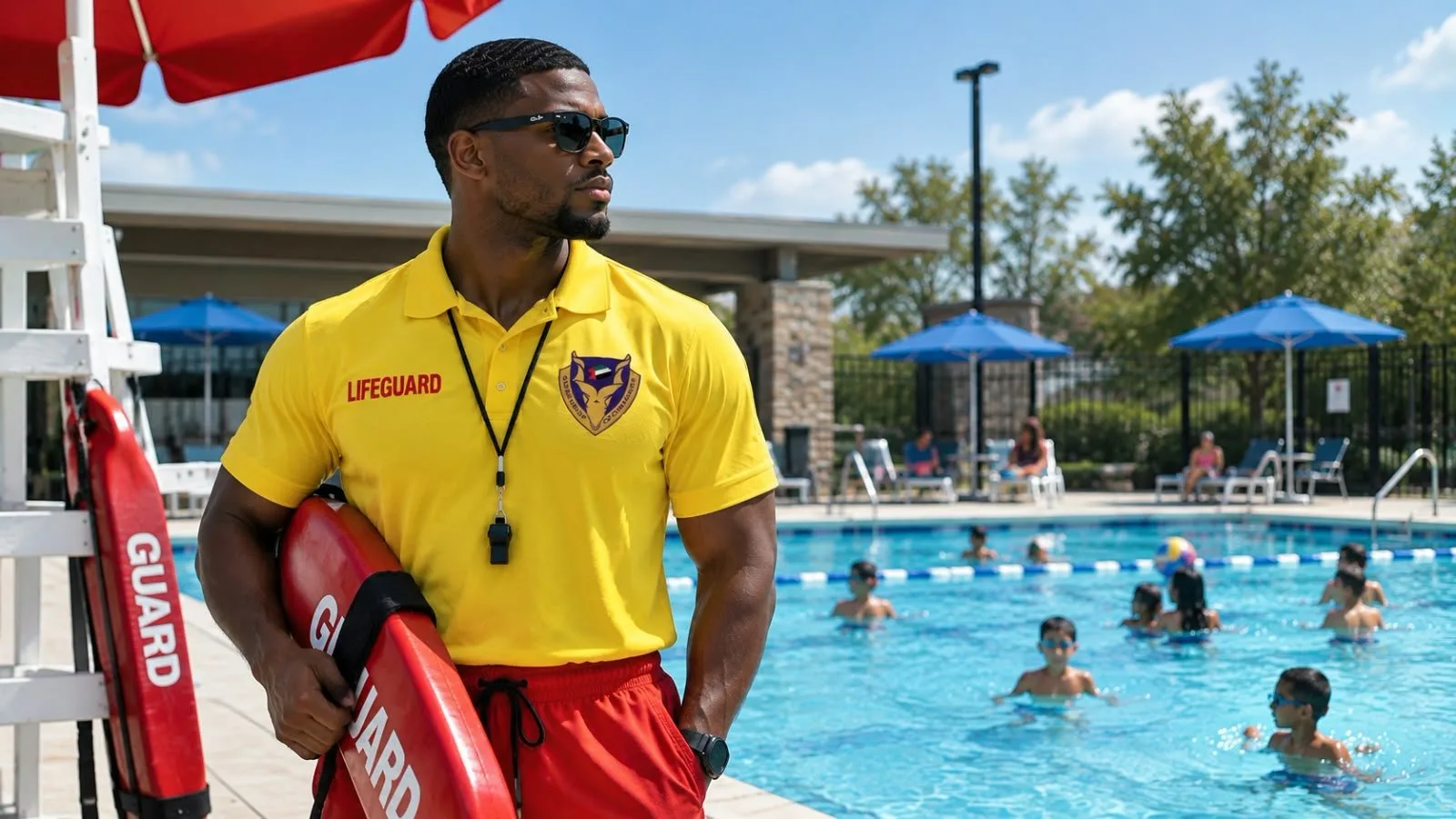
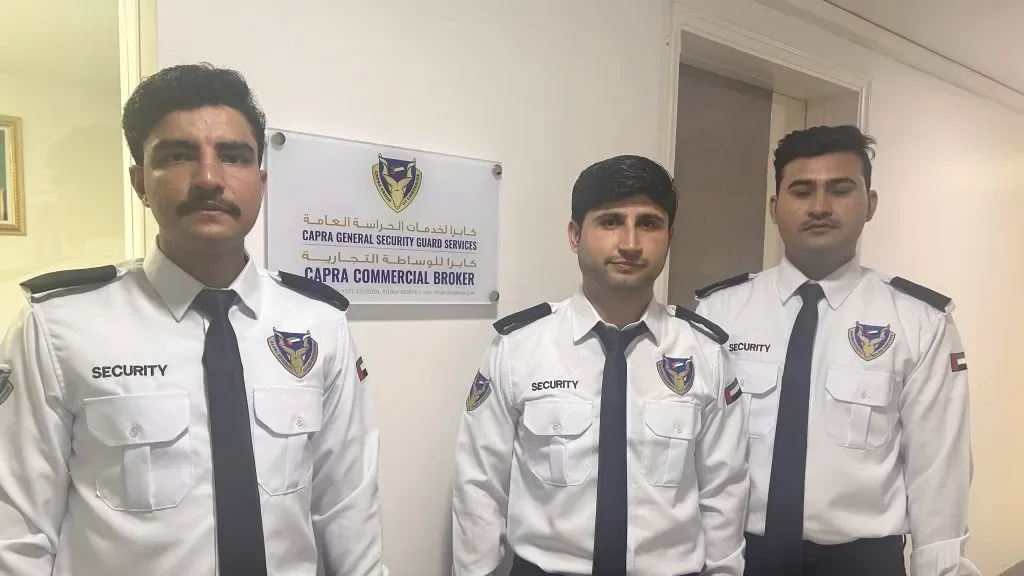
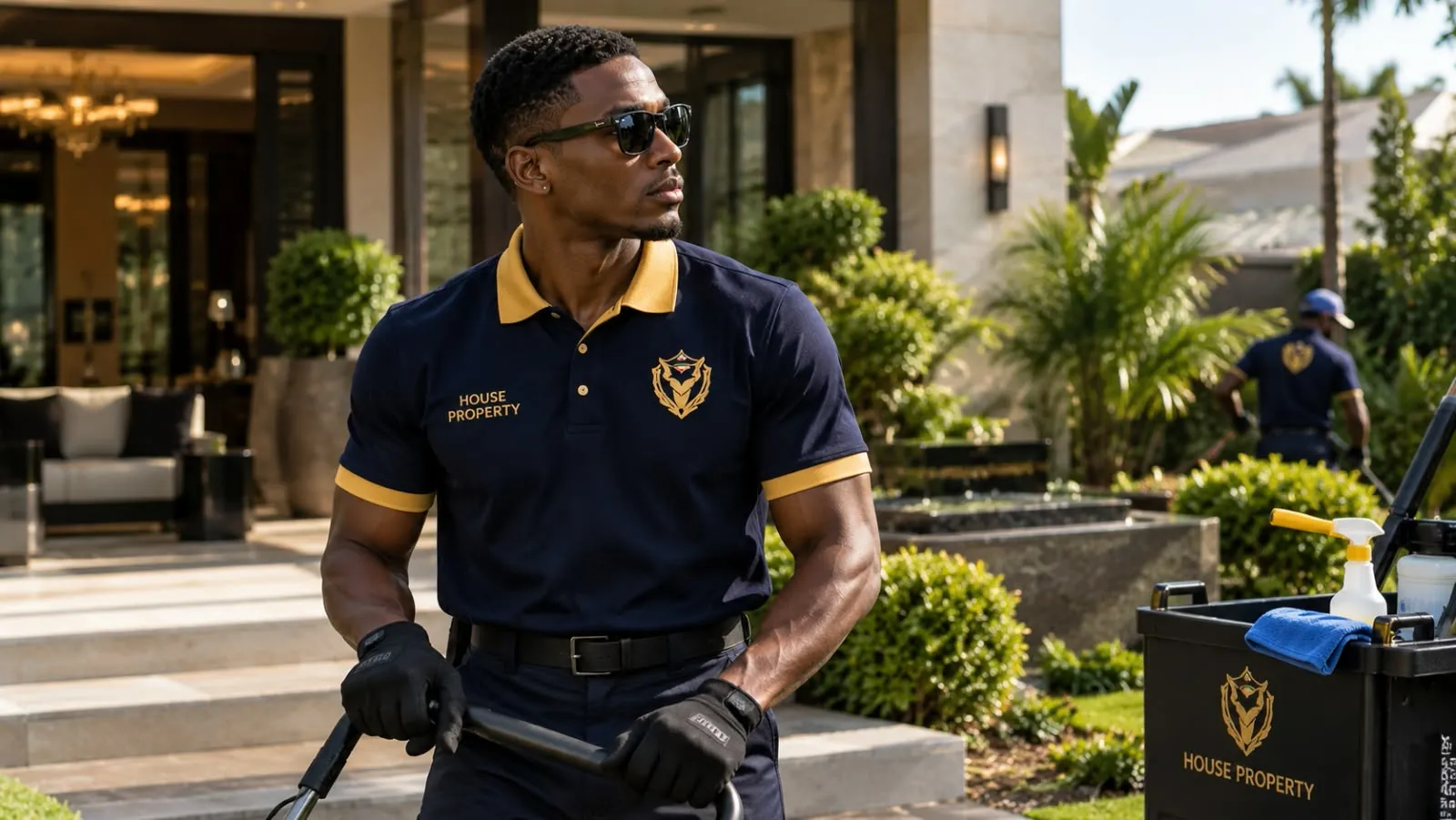
Clients experience Capra Group through the people on their site. Our reputation is shaped by how each employee looks, behaves and responds during every shift, whether they are a security guard at a lobby desk, a lifeguard on a pool deck, an event officer at an entrance or a housekeeper preparing a room.
That is why professional appearance, discipline, communication and responsibility have to show in everyday work, not only in our policies.
Standards that hold every day
At Capra Group, professional training is not simply about obtaining a certificate. It is about upholding the right standards, attitude and sense of responsibility every day, at every location we serve.
To find out how our teams can support your property, hotel or event, contact Capra Group or explore our security, lifeguard and housekeeping services. You can also read about the professional training behind our security guards and lifeguards.